

How to Clean Silver at Home: Tips and Tricks

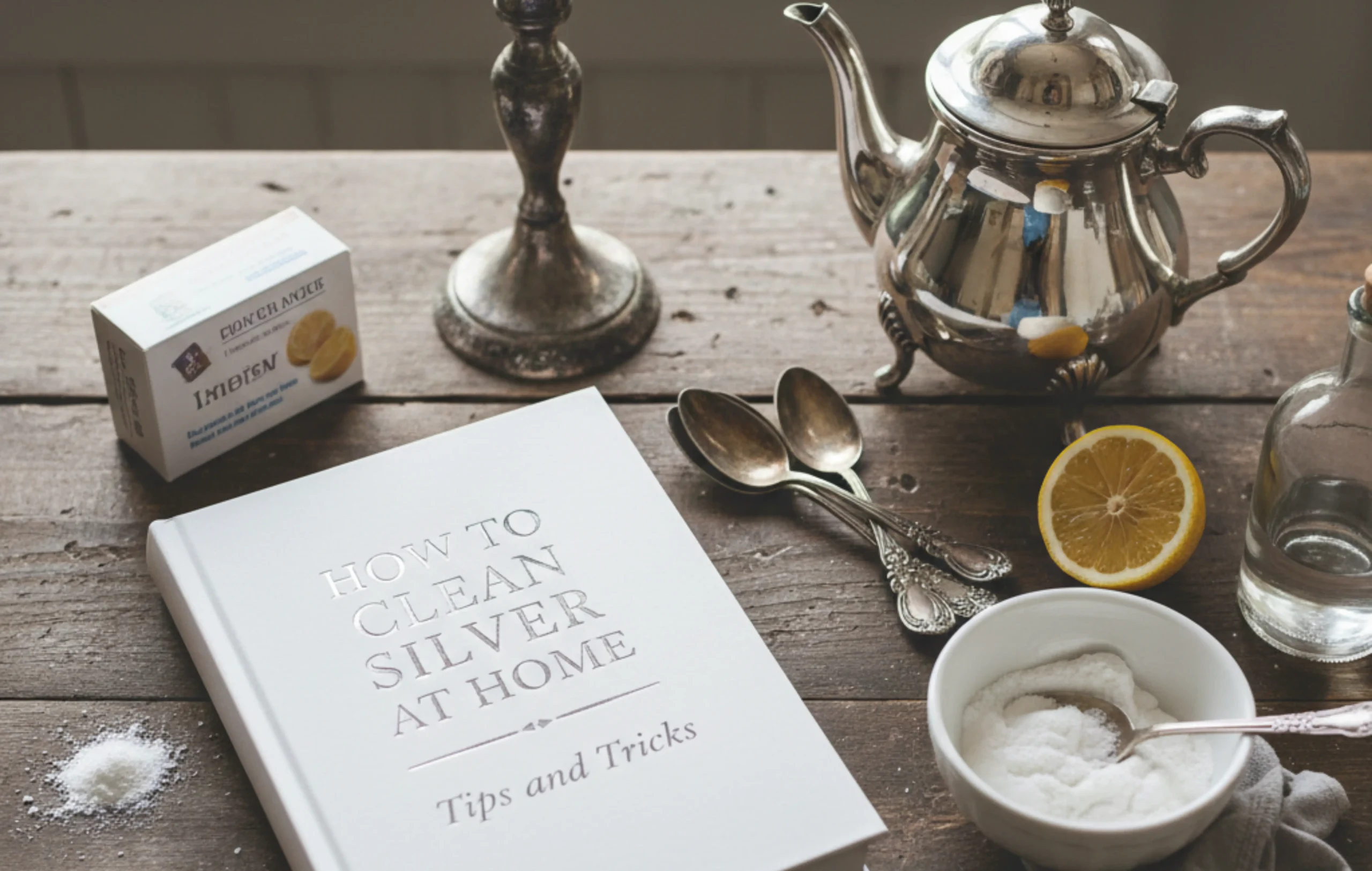
Yes, you read it right!
Keeping your silver clean and tarnish-free has become way easier.
Silver jewellery is loved for its timelessness and elegance. The same goes for silver plates and other items. However, with time or use, it can lose its charm, requiring you to keep up its shine with effective cleaning.
You can use simple and convenient methods to clean your silver without any harsh chemicals. Easy-to-access materials, such as baking soda or a toothbrush, can help restore your jewellery’s life at home.
Similarly, you can use dish soap and water to soak and gently scrub the silver jewellery. For water stains, a clean cloth can come in handy. Wait! That’s not all. There are many more ingredients, but which one should you use and how?
Come, let us unwrap it with this blog and learn how to clean silver at home.
Dish Soap and Water
Even if you don’t have any major ingredients, your home is very likely to have dish soap and water. Well, that’s the first thing we are going to experiment with. The best part is that you don’t have to break a sweat to clean your tarnished silver. All you need to do is:
- Take a bowl of warm water.
- Add dish soap to it.
- Put your jewellery in this mixture for 15-30 mins.
- By this time, the grime will loosen up.
- If it needs more cleaning, scrub with a soft-bristle toothbrush.
- Rinse it under running water.
- Use a soft cloth to dry the silver jewellery.
Pros and Cons of Using Dish Soap and Water to Clean Silver Jewellery
Pros:
- It is a safe and gentle method, offering little to no harm.
- It is a versatile method to be used across different kinds of jewellery.
- Soaking helps loosen the grime in intricate designs.
- It works ideally for day-to-day grime, such as sweat and makeup buildup.
Cons:
- It might not work on organic gems or porous stones.
- It may weaken the adhesives if soaked for too long.
- It might not work on heavy tarnish.
- It may damage platinum.
- It does not bring the polish.
What Else Should You Keep in Mind?
- Choose a mild soap to begin with.
- Avoid hard scrubbing.
- Avoid paper towels when drying; choose a soft or microfiber cloth.
Aluminium Foil and Baking Soda
Whenever you searched for how to clean silver with aluminium foil, you probably got curious about how things work. Let us tell you! The magic happens when the tarnish is transferred to the foil. This entire process takes only a few minutes, somewhere around 3-5. Here’s what you need to do:
- Take a bowl or a container and put the aluminium foil at the bottom.
- Put your silver jewellery, utensils, or idols on it.
- Add 2-3 spoons of baking soda to 1 litre of water.
- Add boiling water and submerge the silver.
- Let the silver stay there for 5 to 10 minutes.
- Readjust the timings if you see tarnish, remove earlier.
- Rinse the silver under clean water and dry it using a soft cloth.
Pros and Cons of Using Aluminium Foil and Baking Soda For Cleaning Silver
Pros:
- A highly effective method.
- Silver stays scratch-free in the process.
- Eco-friendly and budget-friendly.
- Works with minimal or no scrubbing.
Cons:
- Might not work for antique, glued, or delicate jewellery with pearls or gems.
- May leave an unpleasant smell in the process.
- Might require precision for thin or extremely delicate silver.
What Else to Keep in Mind?
- Make sure the silver and aluminium foil touch each other.
- Use tongs or wear gloves to protect yourself from any hot water burns; not the rubber gloves, though.
- Use a sealant afterwards, as this method doesn’t eliminate tarnish; it just removes it temporarily.
Laundry Detergent
If you’re someone who searched how to clean silver at home without aluminium foil, laundry detergent can be your solution. This is a gentle and effective method and can work with or without using aluminium foil. Let’s see how this works:
- Take a bowl/container and put warm water into it.
- Mix laundry detergent in it.
- Soak your silver items for 1-5 minutes.
- Use a soft-bristle toothbrush to clean dirt from intricate designs.
- Rinse with clean water and dry with a soft cloth.
Here Are Some Pros And Cons Of Using Laundry Detergent:
Pros:
- Can work effectively on many degreasers.
- Fast and convenient method.
- Leaves a pleasant smell afterwards.
- Works fine for intricate pieces.
Cons:
- Might not work effectively for highly tarnished.
- Needs to be rinsed thoroughly.
- May not be effective for plain silver, glued-in, or porous gemstones.
What Else to Keep in Mind?
- Use a delicate or mild detergent.
- Use a microfiber only to dry.
- Use another method if your silver has hard tarnish; this one might not be super-effective.
Toothpaste
Yes, the very same thing that helps you clean your teeth can also work effectively for your silver. However, you have to be very careful to avoid any scratches on your jewellery or utensils. You may even perform a patch test on a small portion before cleaning the entire piece of jewellery. Have a look here:
- Take some past on soft toothbrush, a cloth, or a microfiber.
- Apply it to the silver, following a circular motion.
- Use warm water to rinse it thoroughly before drying with a soft or delicate cloth.
Here Are Some Pros And Cons:
Pros:
- Is convenient and cost-effective.
- Works well for intricate details.
- Leaves effective results.
- A safer method compared to chemicals and silver cleaning liquid.
Cons:
- Might damage sterling silver due to its harsh abrasive properties.
- Does not work well for silver with mirror finishes.
- Requires thorough rinsing afterwards, as the white paste can get stuck in the intricate design.
- Shouldn’t be used constantly, as that can rub away thin layers of silver.
What You Should Keep in Mind?
- Do not use gel-based or whitening toothpaste.
- Rinse thoroughly to avoid toothpaste buildup.
- Avoid using toothpaste on antique or highly polished ones.
Corn Starch
Corn starch is a common thing present in many household chores, and now you will learn about using it as a silver cleaner. It lets you use a simple and abrasion-free paste to clean the silver. Come, let us teach you a step-by-step process:
- Prepare a corn starch paste with a 1:4 ratio with water.
- Let this paste sit on the tarnish slowly until it dries out completely.
- Keep the paste on for 15-30 minutes.
- Use a clean cloth to wipe it off.
Pros and Cons of Using Corn Starch:
Pros:
- Gentle and safe solution.
- Works perfectly on lighter tarnish.
- Non-toxic formula.
- Accessible.
Cons:
- May not work on heavy tarnish.
- Is a messy process.
- May get trapped in crevices.
- Offers a possibility of damaging the plate.
What Else Do You Need to Take Care of?
- Perform a patch test before starting.
- Avoid using this method on porous materials.
- Use a tarnish-resistant bag or an air-tight container for storage later on.
- Avoid scrubbing too hard.
Hand Sanitiser
If you searched how to clean silver at home without baking soda, you might have never thought of using a hand sanitiser. Well, it doesn’t matter anymore! Hand sanitiser can offer a great solution for removing tarnish, grime, or dirt from the silver. Keep reading to learn about the steps to follow in detail:
- Take a soft cloth.
- Apply a few drops of sanitiser.
- Gently rub the silver.
- Rinse with water afterwards.
Pros and Cons of Cleaning Silver at Home with Hand Sanitiser:
Pros:
- Offers convenience.
- Is cost-effective.
- Removes tarnish.
- Works on small items such as rings.
Cons:
- Can be harmful for the gemstones.
- Possesses the risk of long-term damage.
- May contain chlorine, which can tarnish further.
- Doesn’t serve as a long-term solution.
Here’s What to Keep in Mind:
- Avoid letting the hand sanitizer for longer.
- Use on plain and rigorous silver materials only.
- Put it on a small spot to begin with.
- Do not put alcohol directly on jewellery.
Lemon
Here we are towards your next question- how to clean silver at home with lemon. Did you know lemon juice can work as magic for black marks on the silver jewellery? You can also use it together with lemon, vinegar, or baking soda. Come, let us unwrap the secret to clean silver with lemon!
- Soak a soft-bristle toothbrush in lemon water.
- Use this brush to rub the silver product.
- Rinse the silver product thoroughly and dry it with a simple, soft cloth.
Here Is A List Of The Pros And Cons Of Using Lemon For Cleaning Silver:
Pros:
- It is a highly convenient solution due to its quick availability.
- It offers effective results on light tarnish.
- It is a versatile solution to be used with other products.
- It is very budget-friendly.
Cons:
- It is very acidic, becoming unfit for sterling silver.
- It may not be ideal for silver-plated items.
- It may be abrasive when working in combination with salt.
- It needs to be washed off completely, as any little residue can cause tarnishing.
What Should You Keep in Mind?
- Instead of using pure lemon juice, dilute it with water.
- Do not soak the silver item in the lemon juice.
- Rinse your silver product thoroughly.
- Do not use this process on antique items.
Vinegar
Whether you have to clean your silver idol, a payal/anklet, or any utensil, using vinegar for it might have crossed your mind at least once. While you can use vinegar solely, it is advisable to use it in combination with other ingredients. In the next part, let us walk you through the cleaning process with vinegar and baking soda:
- In a container, take half a cup of white vinegar and 2 spoons of baking soda.
- Soak your silver items in this mixture completely.
- Let the silver sit in this mixture for 1-3 hours.
- Rinse it thoroughly with water.
- Use a soft and delicate cloth to dry up.
Here are the pros and cons of using vinegar to clean silver at home:
Pros:
- Accessible method
- Cost effective
- Convenient
- Removes tarnish effectively
- Acts as a chemical-free solution
Cons:
- The acid in vinegar might have the potential to damage.
- The abrasive nature of baking soda might need consideration.
- Thorough rinsing becomes necessary.
- Itay not polish the silver.
What Else Do You Need to Keep in Mind?
- Offer gentle scrubbing with soft bristled brush if needed.
- You can also work by creating a paste of both ingredients.
- Do not follow this method for antique silver.
- Rinse the silver thoroughly with cold water afterwards.
Ketchup
Ketchup. Yes, ketchup! You may not have seen this coming, but ketchup offers an effective solution to clean silver at home. This may be a reliable method for light tarnish. The acidic nature of tomatoes and vinegars can help remove the tarnish. Here’s how you can make this happen:
- Put the ketchup on the silver directly or through a soft cloth or paper towel.
- Let the ketchup stay on the silver for nearly 15-60 minutes.
- Clean your soap with dishsoap and warm water.
- Dry the silver immediately with a cloth.
Pros and Cons of using Ketchup to Clean Silver:
Pros:
- Convenient and cost-effective
- Works effectively on light tarnishing
- Leaves a mild acidic action
- Works like magic on intricate pieces
Cons:
- It can appear messy and smelly.
- It comes with a risk of over-exposure.
- It can consume time.
- It may not be as effective as other silver cleaning solutions.
Conclusion
From jewellery to coins, silver exists in different forms in almost every Indian home. Each of them is timeless, affordable, and elegant. However, silver comes with a frequent reminder for tarnish and residue removal. If you are someone who has been wondering how to clean silver at home, this blog has offered you a solution.
In this post, we have covered different items you can easily find at home and use for silver items cleaning. From something as simple as dish soap and water to an effective combination of aluminium foil and baking soda, we’ve covered many easily accessible items at home. If you have any more queries or want to learn more, please refer to our FAQs section ahead.
Frequently Asked Questions (FAQs)
What’s the best home remedy for cleaning silver?
There are many amazing home remedies for cleaning silver. However, a blend of aluminium soda with water and baking soda is said to be the most effective of all.
How to clean silver in 5 minutes?
Using aluminium foil, salt, and baking soda together can be a solution here. Take a bowl, put aluminium foil in it, add water, baking soda, salt, and your silver item, and wait for 5 minutes. Make sure your silver touches the aluminium.
Can lemon clean silver?
Yes, you can use lemon water in combination with baking soda or salt to clean silver.
What should you not clean silver with?
Avoid chlorine-based cleaners and heavy chemicals like ammonia and bleach for cleaning your silver items. Abrasive can also be harmful if not used properly. This can include home remedies like baking soda or toothpaste, requiring you to be extra careful. Avoid scotch-based pads to avoid scratches.
Can I clean silver with toothpaste?
Yes, you can use a toothpaste, but you have to be careful, considering the risk with their abrasive nature. You wouldn’t want to damage the delicate parts, right?
Can I clean silver with vinegar?
Yes, you can. You can use vinegar in combination with aluminium foil and baking soda.
Can we use baking soda to clean silver?
Yes, baking soda can be used to clean silver items. It is used in combination with hot water, aluminium foil, or vinegar.
What is the best silver cleaner?
If you are planning a DIY method, a blend of baking soda, aluminium foil, and warm water can be effective. If seeking chemical-based cleaners, Koparo Natural Silver cleaner, Ruby Silver Cleaner, and Shripad Delivery Dip can help.
What do jewellers use to clean silver?
Jewellers use ultrasonic cleaners and a soft cloth to clean the silver item. Silver dip solutions are also used for shine restoration.
How long should I leave my silver in baking soda and vinegar?
10-15 minutes
How to clean silver without polishing?
You can use several home remedies to clean silver without polishing. One effective method includes using aluminium foil with baking soda and warm water. You can also use a paste made of water/vinegar and baking soda, or ketchup or toothpaste.
How to clean silver at home in India?
There are many effective measures to clean silver at home. You can use dish soap and water for basic cleaning. You can also use aluminium foil as a base and add baking soda and warm water before dipping your silver accessory into it.
How to wash a silver chain at home?
You can use a combination of methods, such as mild dish soap and warm water. You can also use aluminium foil as a base and add baking soda and warm water to it.
What silver items can I clean at home?
You can clean silver jewellery (chain, rings, earrings, and highly inquired- payal/anklets), puja items, idols, cutlery, and plates.