

How to Clean Oxidized Jewellery? A Complete Guide

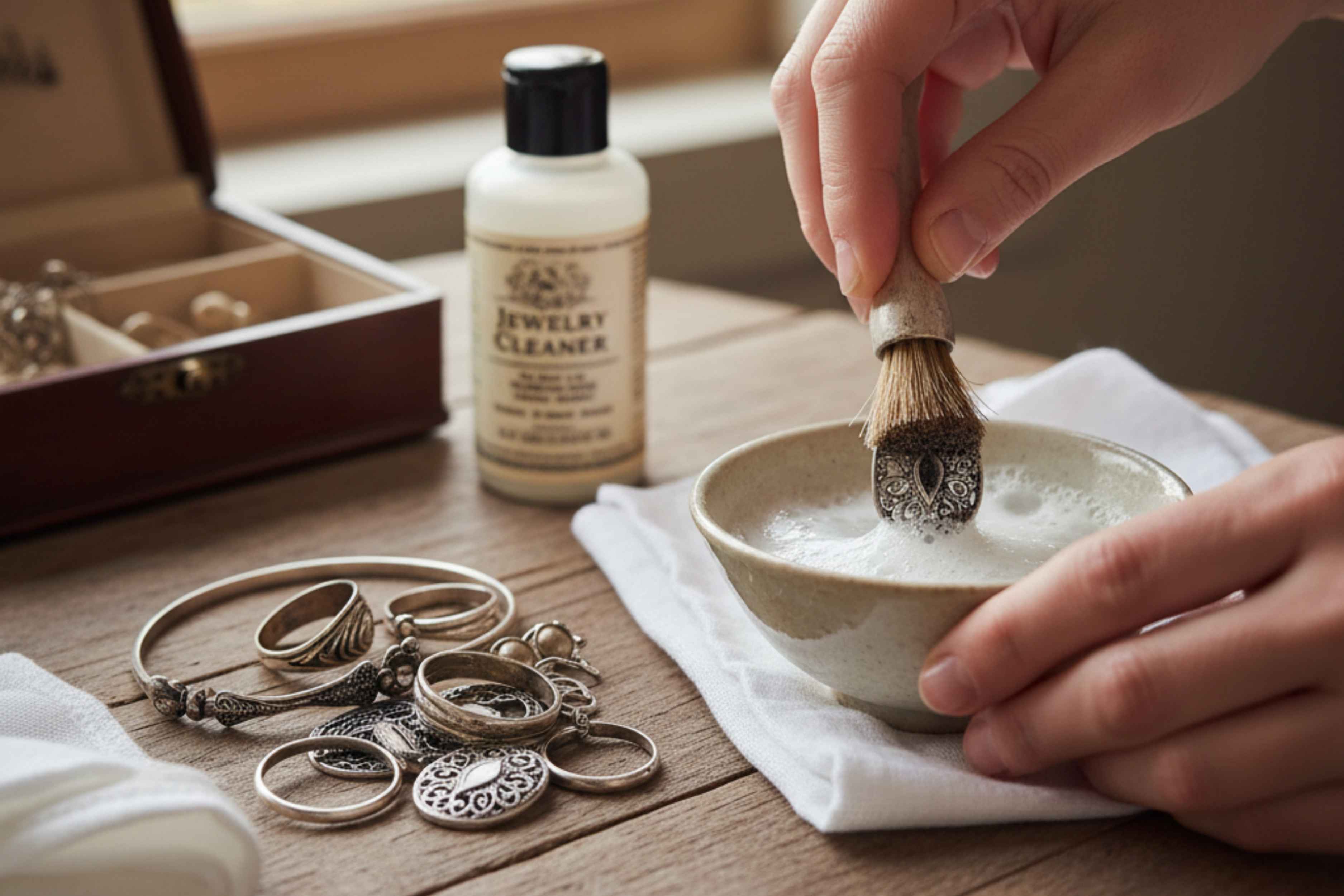
Oxidized jewellery has taken over the market, offering a rustic and timeless look, and the ease of pairing with any type of clothing, from ethnic to fusion, as it complements any attire. The craze for oxidized jewellery has shot up so much in recent years that you get everything from earrings to chokers, neckpieces, bracelets, handcuffs, and anklets. However, these oxidized jewellery pieces are prone to getting tarnished and lose their charm over time and if not taken care of properly.
Not to worry, as there are ways to clean your oxidized jewellery and retain its shine and charm. We will be sharing all the necessary tips on how to clean oxidized jewellery and what causes them to go dark, and tips to keep it from getting tarnished and blackened. But before we start with the tips right away, we must understand what oxidized jewellery is.
What is Oxidized Jewellery?
Other jewellery gets oxidized naturally, with blackness engulfing it slowly, but oxidized jewellery is deliberately tarnished to give it a unique and antique look. The process of making these jewellery is done by using a chemical treatment using sulfur that darkens the metal. The most commonly used material in oxidized jewellery is silver, and it tends to darken over time because of the chemical reaction.
There are oxidized jewellery which are not made of silver and involve copper, brass, and bronze don’t get oxidized in the same way, but do develop grime over time, losing its original shine. Despite the material used, you can clean the oxidized jewellery, which we are explaining here.
What Causes Oxidized Jewellery to Get Darker?
Before you clean the oxidized jewellery, you must understand what factors cause oxidized jewellery to get darker over time. Below are some of the common reasons:
Oxidation Reaction
The oxidized jewellery is made using and treating materials like silver, copper, and brass using chemicals like sulfur to create a dark patina, but the reaction doesn’t stop after the jewellery is made, and it continues to react with oxygen present constantly in the air. The reaction results in the darkening of the jewellery, and the more it gets exposed to the air, the darker the patina becomes.
Exposure to Sulfur
As sulfur is the main chemical used in the making of the oxidized material, which adds darkness, the same is also present in the environment in small amounts, as well as in the skin and hair products, resulting in them getting darker over time. The sulfur coming into contact with the jewellery made with silver creates silver sulfide, and becomes blackened.
Exposure to Chemicals and Cosmetics
Almost everything that we use on our bodies on a daily basis like perfumes, lotions, soaps, hair products, and others, contains certain ingredients like chlorine, sulfur-based compounds, and alcohol. All these chemicals naturally react with the metal surface, resulting in further blackening of the dark tone of the oxidized jewellery, sometimes in uneven patches.
Humidity
Humidity is known to speed up the process of oxidation and reacts quickly with metals used in the making of the oxidized jewellery. If you live in a region that faces heavy humidity, the jewellery will tend to go darker, but the same can be caused if you are storing it in areas like the bathroom.
Skin Contact
In case you don’t know, every human body has a different pH level, sweat chemistry, and oil composition. Some people produce more sweat, some have more acidic skin, and other issues, and all these are contributing factors to the darkening of the oxidized jewellery at a faster rate.
How to Clean Oxidized Jewellery?
Now that you are aware of some of the common causes for darkening of the oxidized jewellery, let’s move to how to clean oxidised jewellery at home to restore their charm.
Aluminium Foil and Baking Soda
This is one of the most commonly used methods to clean oxidized jewellery and works very well. Start by putting aluminium foil in a bowl and add hot water and baking soda to it. Next, add jewellery into the bowl and leave it for sometime. Slowly, the additional blackness the jewellery has accumulated will transfer to the aluminium foil.
Once you see the maximum tarnish to be transferred in the foil, remove the jewellery and rinse it before leaving it to get dried completely. This method reverses the tarnishing process, and aluminium is known to attract the sulfur from the tarnish, restoring its original charm. This method is extremely effective for cleaning silver.
Baking Soda
Baking soda is effective in cleaning almost every type of material, be it silver, copper, and brass, and considering this, it is equally effective in cleaning oxidized jewellery made using different alloys. Start mixing baking soda and water in equal parts, and mix them well to form a paste. Once the paste is made, apply it to the jewelry directly and start cleaning the jewellery by gently scrubbing.
You will start seeing that the tarnish is slowly coming out, and once you feel satisfied that you have completely removed the tarnish, rinse the jewellery with water and dry it off with a soft cloth. Though the method seems simple, it works great for removing darkness from the oxidized jewellery, and the best part is that you can use this method regularly for cleaning the jewellery.
Toothpaste
Toothpaste is not just used to clean teeth, but is used diversely to clean a lot of things, including oxidized jewellery. To clean the jewellery, you will need non-gel toothpaste and apply it directly onto the jewellery using a soft brush. Scrub the jewellery gently until you see the tarnish coming out of it and you feel that you have completely removed it.
Once done, rinse it with water and dry it off with a soft cloth. The reason non-gel toothpaste works great for cleaning is because of its abrasive nature, and the method is also easy to implement that too on a regular basis.
Mild Soap
It is a home remedy that has proven its efficiency in cleaning oxidized jewellery at home. It works on almost every type of oxidized jewellery made with different materials and helps restore the discoloration and remove tarnish from them. Start filling a bowl with warm water and mix a tablespoon of mild dishwash soap in the water. After mixing both, put your oxidized jewellery in the water and leave it for a couple of minutes.
Take out the jewellery and use a soft brush to gently rub the darkness and tarnish from the jewellery. After a satisfied cleaning session, rinse it off with water and wipe it off with a dry cloth. This method is ideal even for everyday gentle cleaning, but better if you use it once or twice a week.
Baby Shampoo
You might not have known this yet, but baby shampoo is a mild method to clean your oxidized jewellery if the tarnish is mild. Being mild in nature, it doesn’t react with any metal, allowing it to clean the tarnish effectively. It only removes the additional dirt, cosmetics, and other particles from the jewellery while keeping the metal untouched. Pour warm water in a bowl and add a tablespoon of baby shampoo in the water and mix it well.
Put the oxidized jewellery in the water and leave it there for a couple of minutes, and then take it out. Take a soft brush and gently scrub the jewellery and rub until you see the tarnish coming out completely. Once done, rinse the jewellery with water and dry it off with a soft cloth.
Professional Cleaning
If none of the methods discussed above works, your last resort should be the professional cleaning that jewellers offer. They have special solutions and tools to clean the oxidized jewellery, and they ensure to restore the shine your jewellery initially had. Along with the cleaning, they also inspect the jewellery in case of any other damage and fix it as well.
Keep in mind that professional cleaning should only be opted for when you have no other option left, and it shouldn’t be a regular thing. Try to stick to the home remedies as long as you can.
Tips on Taking Care of Your Oxidized Jewellery
Cleaning oxidized jewellery is great, but you must focus on maintaining it to completely avoid it getting darkened and tarnished. Though you don’t have complete control over not getting them tarnished, you can totally avoid it if you are aware of the right ways to take care of them. Below we are sharing the common and useful tips for taking care of oxidized jewellery:
Storing the Jewellery Safely
Oxidized jewellery must be stored safely if you want it to last longer without getting tarnished and black. As we have already mentioned earlier, coming in direct contact with air, the tarnish is unavoidable, and the presence of moisture in the air speeds up the tarnishing process.
To avoid all these from happening at a speed, use a jewellery and air-tight box to store your jewellery, or even zip-lock bags are a good option. Also, don’t store the jewellery in a place where moisture is quite common like the bathroom, and rather store it in a dry and cool place.
Clean Your Jewellery Before Storing
Storing the oxidized jewellery is not enough, but you must clean your jewellery before storing them as it will add longevity to their age. When you wear the jewellery, it comes in direct contact with your sweat, skin acidity, and other elements present on your body, and all these lead to the discolouration and add blackness and tarnish to the jewellery.
Before you store them in the container box, you should wipe it off to remove any amount of sweat and other elements from it. Also, always keep them separate because if one jewellery has caught the sweat and anything that can damage the jewellery, it will be transferred to other pieces as well.
Avoid Using Harsh Chemicals
Harsh chemicals are not always meant hard-core chemicals found in labs, but the everyday products that we use. Most of the products that we put on our body, including lotions, soaps, and even perfumes, contain harsh chemicals like alcohol and they damage the oxidized jewellery in a severe way.
To not let your oxidized jewellery lose its shine due to the harsh chemicals, always wear it last after you have used everything and sprinkled perfume on your clothes and other areas.
Not Meant for Regular Use
Though oxidized jewellery is way cheaper than gold jewellery and other precious materials, oxidized jewellery is not meant for daily wear because of a lot of factors that contribute to its discoloration and tarnish. You should avoid wearing it daily and only use it for different occasions.
If you like wearing oxidized jewellery every day, you can wear different pieces. The factor that makes it not suitable for everyday use is the presence of sulfur, which is easily reactive to oxygen and other materials.
Regular Maintenance
Regular maintenance is necessary to retain the shine of the oxidized jewellery. With time and every time you wear it, it tends to lose its shine and charm, it makes it very important for cleaning and polishing them regularly.
You don’t always have to opt for a professional cleaning, and with the homemade cleaning methods that we have shared above, you can clean the jewellery once a week. They are highly effective in cleaning the tarnish and blackness that your jewellery collects over time.
Final Words
Oxidized jewellery is redefining the jewellery fashion game, and its popularity has left behind the craze for gold and silver. Owning them is perfect to wear on diverse occasions, but they are also prone to tarnish and blackness, which you can effectively remove using the homemade solution we have discussed above. Along with how to clean oxidized jewellery, we have also shared the right way to store and take care of it.
FAQs
How to recover oxidized jewellery?
To recover your oxidized jewellery, you can clean them using various methods like baking soda, aluminium file, soap, toothpaste, and other ways. If the damage is too severe, you can opt for professional service.
How to clean oxidised jewellery at home with baking soda?
To clean your oxidized jewellery at home with baking soda by mixing it with water in equal parts, and apply the paste directly on the jewellery and gently scrub it. After cleaning, rinse the jewellery with water and dry it with a soft cloth.
How to clean oxidised gold jewellery at home?
You can use the same homemade methods to clean your oxidized gold jewellery, like oxidized jewellery using baking soda, toothpaste, aluminium foil, and soap.
How to remove green oxidation from metal jewelry?
Using the baking soda, aluminium foil, and warm water method, you can easily remove the green oxidation from metal jewellery.
How do you remove oxidation from jewelry?
Any of the above homemade methods using baking soda, aluminium foil, soap, and toothpaste is effective to remove oxidation from jewellery.
How to clean oxidised jewellery at home without aluminium foil?
To clean oxidized jewellery at home without aluminum foil, you can use toothpaste. Apply a non-gel toothpaste directly on the jewellery and scrub gently with the soft brush. Rinse it with water and dry it off with a soft cloth.
Can you reverse oxidized gold?
Yes, you can very much reverse oxidized gold by using a home cleaning method with toothpaste, soap, baking soda, and aluminum foil.
Can you restore tarnished jewellery?
Yes, restoring tarnished jewellery is possible and easy with the effective homemade methods using toothpaste, soap, baking soda, and aluminum foil.
Can oxidized silver be restored?
The most effective way to restore oxidized silver is to use baking soda, aluminium foil, and a water solution.